

A groove weld is a weld made in the space between two metal parts that have been prepared with a specific groove shape, such as V, U, J, or square. Its process involves beveling the base materials, positioning them with the required root opening and angle, and then filling the groove with weld metal to form a solid, high-strength joint. Groove welds are fundamental in applications where full penetration and structural integrity are required.
Types of Welding Grooves and Symbols
Depending on the shape of the groove prepared between the two workpieces, we categorize groove welds into different types. Each groove shape has a specific name and corresponding welding symbol used in drawings and welding documentation. These symbols follow standards such as AWS A2.4 and ISO 2553.
Here are the most common groove weld types:
1. Square Groove Weld
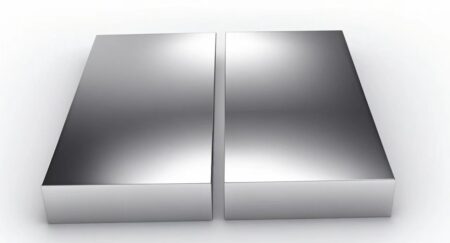
Edge Shape: Two flat, square-cut edges (no bevel).
Ease of Preparation: Very easy – no beveling required
Usage Frequency: Common in thin materials (≤ 6 mm)
Notes:
- Ideal for sheet metal and low-stress applications.
- Limited penetration depth; not suitable for thick plates.
- Minimal filler required.
2. V-Groove Weld
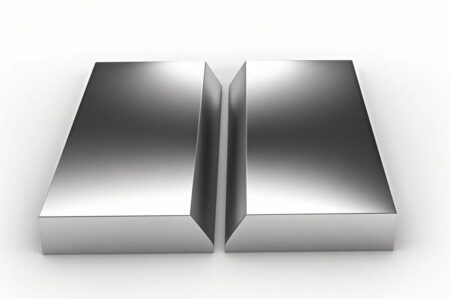
Edge Shape: Both edges beveled (typically 30–45°)
Ease of Preparation: Moderate – requires beveling on both sides
Usage Frequency: Very common in structural fabrication
Notes:
- Suitable for full penetration welds.
- Requires more filler metal than square groove.
- Angle and root opening must be carefully controlled.
- Common in pressure vessels, pipelines, and load-bearing structures.
3. U-Groove Weld
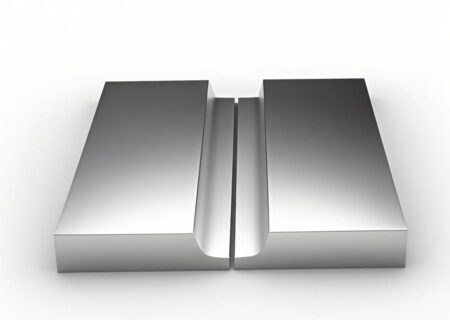
Edge Shape: Both edges have a curved (U-shaped) bevel
Ease of Preparation: Difficult – requires machining
Usage Frequency: Less common, but important for thick sections
Notes:
- Saves filler metal compared to a wide V-groove.
- Preferred in heavy plate welding with automated beveling equipment.
- Smooth profile improves fatigue performance.
4. J-Groove Weld
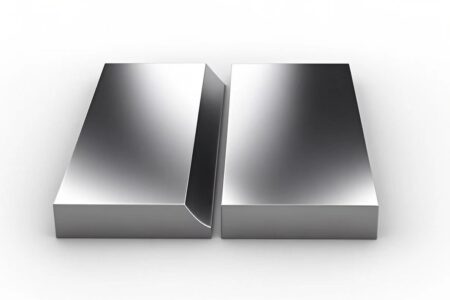
Edge Shape: One side is J-shaped, the other flat
Ease of Preparation: (Very difficult – precise curved bevel on one side)
Usage Frequency: Specialized, used in thick or asymmetrical joints
Notes:
- Used when one side is accessible and filler savings are important.
- Requires CNC or special tooling for prep.
- More common in high-spec fabrication like aerospace or nuclear.
5. Flare-V Groove Weld

Edge Shape: Two rounded surfaces form a V
Ease of Preparation: (No cutting – groove forms naturally)
Usage Frequency: Common in round bar, pipe, and tubing joints
Notes:
- Found in artistic metalwork, automotive structures, and railing assemblies.
- Limited penetration; typically used with GMAW or GTAW.
- Groove depth depends on radius of parts.
6. Flare-Bevel Groove Weld
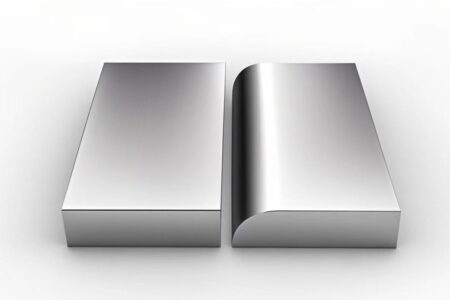
Edge Shape: One round surface meets a flat surface
Ease of Preparation: (No cutting – forms naturally)
Usage Frequency: Less common than flare-V, but useful in sheet-to-rod joints
Notes:
- Suitable for decorative or light structural applications.
- Penetration depth limited; best for low-load joints.
- Usually requires multiple passes for stronger bonding.
 German
  English
  Chinese
  Spanish
  Russian